
Staff
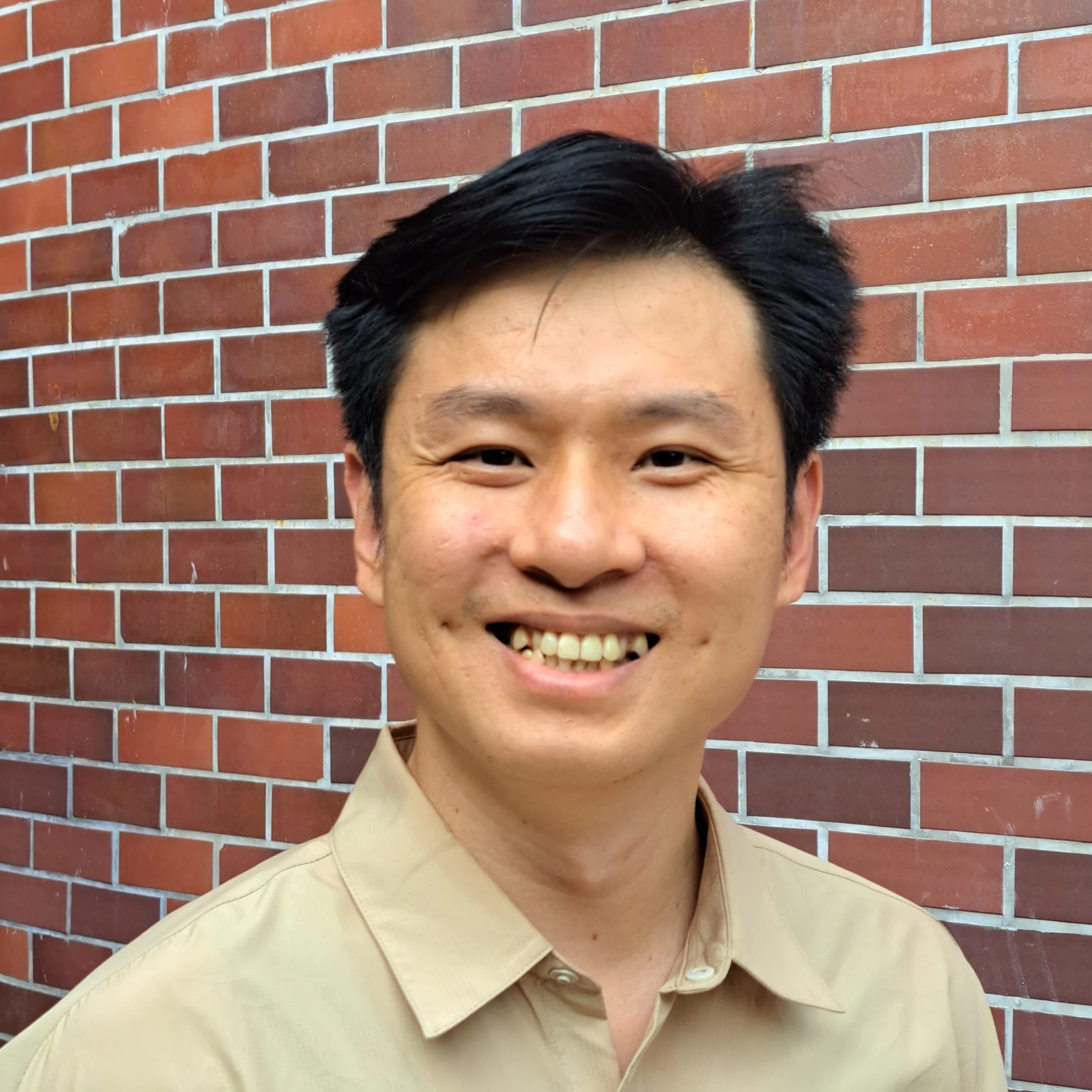
Dr. Manson Cheuk-Man FONG
Principal Investigator
PhD in Electronic Engineering
The Chinese University of Hong Kong
MPhil in Physics
Hong Kong University of Science and Technology
BSc in Physics
Hong Kong University of Science and Technology
Ever since I picked up Gazzaniga’s definitive Cognitive Neuroscience textbook, I became very interested in learning about the brain. As fate would have it, I joined the Language Engineering Laboratory at CUHK, and did my PhD with the same lab. I started off my cognitive neuroscience career studying Chinese character recognition and vowel perception using electroencephalography (EEG), but I have always wanted to dig deeper into the brain mechanisms behind language processing using more appropriate experimental techniques.
Now, as the PI of several fMRI projects, I can finally indulge myself into studying the functions of various famous brain regions like the hippocampus, cerebellum, Broca’s area, and Wernike’s area. For example, I am interested the role of hippocampus in language learning, the role of cerebellum in thoughts, etc.
Outside work, I am a history, science, and novel lover who loves to accumulate many books at home, though it is increasingly difficult to find the time to do the reading. I am also fond of, but not necessarily good at, Chinese chess and international chess.
| Google Scholar | ORCID |
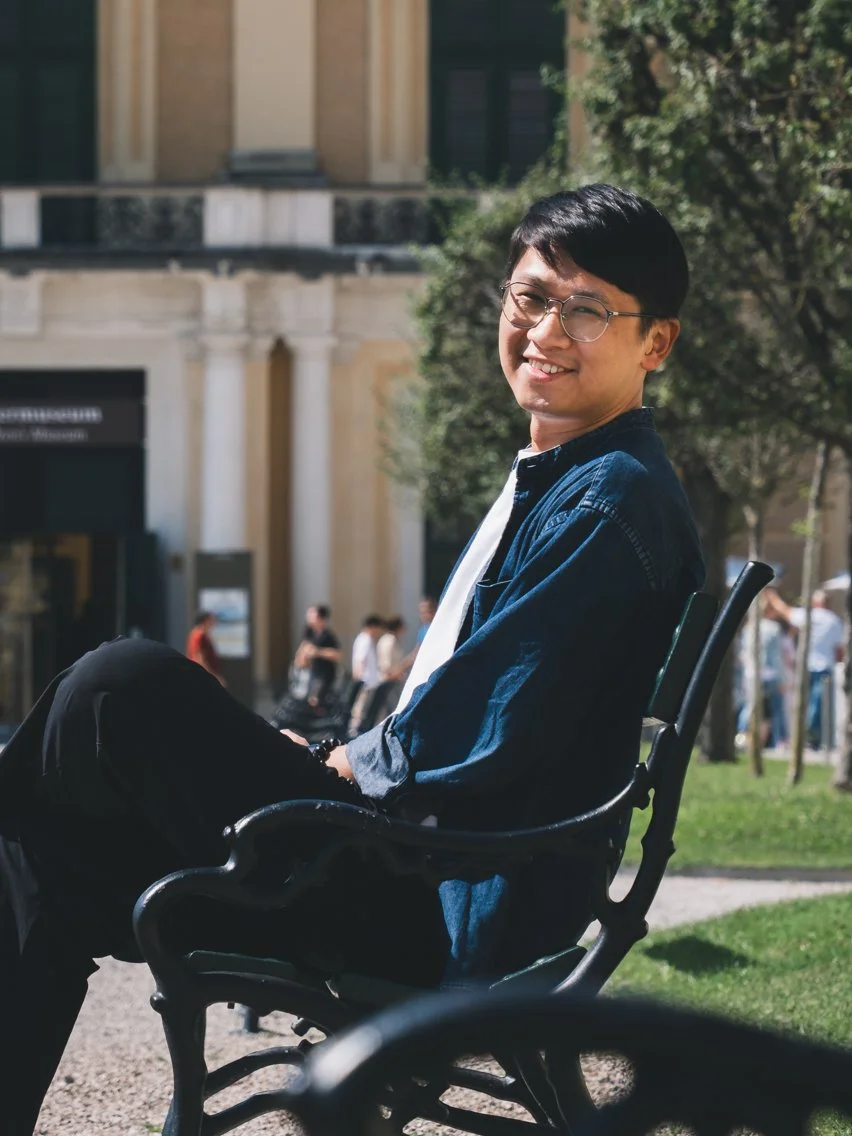
Dr. Matthew King-Hang MA
Postdoctoral Fellow
PhD in Electronic Engineering
The Chinese University of Hong Kong
BEng in Biomedical Engineering
The Chinese University of Hong Kong
Born with moderately severe hearing loss, I fortunately grew up integrating pretty well into the hearing environment (I suppose). However, this left me with a compelling question: how does the brain make sense of incoming sounds and convert them into speech?
I started in biomedical engineering to build better hearing aids, but soon realized that hardware is only half the equation; a better understanding of the underlying neural mechanisms is crucial. During my PhD, I utilized EEG to characterize the resting brain in ageing. Building on this foundation, I am now investigating speech perception via "cortical tracking", utilizing Large Language Models (LLMs) to extract linguistic features for neurocognitive modeling. By bridging these domains, I hope to understand how ongoing brain oscillations integrate acoustic and linguistic units into comprehensible language, and how this process breaks down with ageing and cognitive decline.
Off the clock, I enjoy strolling, hiking, taking photos, or just sleeping (research is exhausting, isn't it?).
| Google Scholar | ORCID | GitHub | Personal website |

Xavreila Sheung-Wa NG
Full-time Research Assistant
BA in Chinese and Bilingual Studies, Concentration in Language and Speech Sciences
The Hong Kong Polytechnic University
How big the brain is — within it holds the sky, the sea, language and me.
During my undergraduate study, linguistics taught me how from sound comes syllable and from scribble comes script. Now working in the lab, neurolinguistics grants me the opportunity to navigate through the organ that makes it all happen.
I have since embarked on a journey, with functional and diffusion MRI techniques as my great companions, searching answers for questions like: From language to 語言, what happen when we add new sets of language to the brain? And why does tihs process come with ease in some but not others?
Beside language, my brain also holds music, origami, digital cat (only one allergy away from dropping the "digital"), and trip planning to see more skies and seas.
| Google Scholar | ORCID |
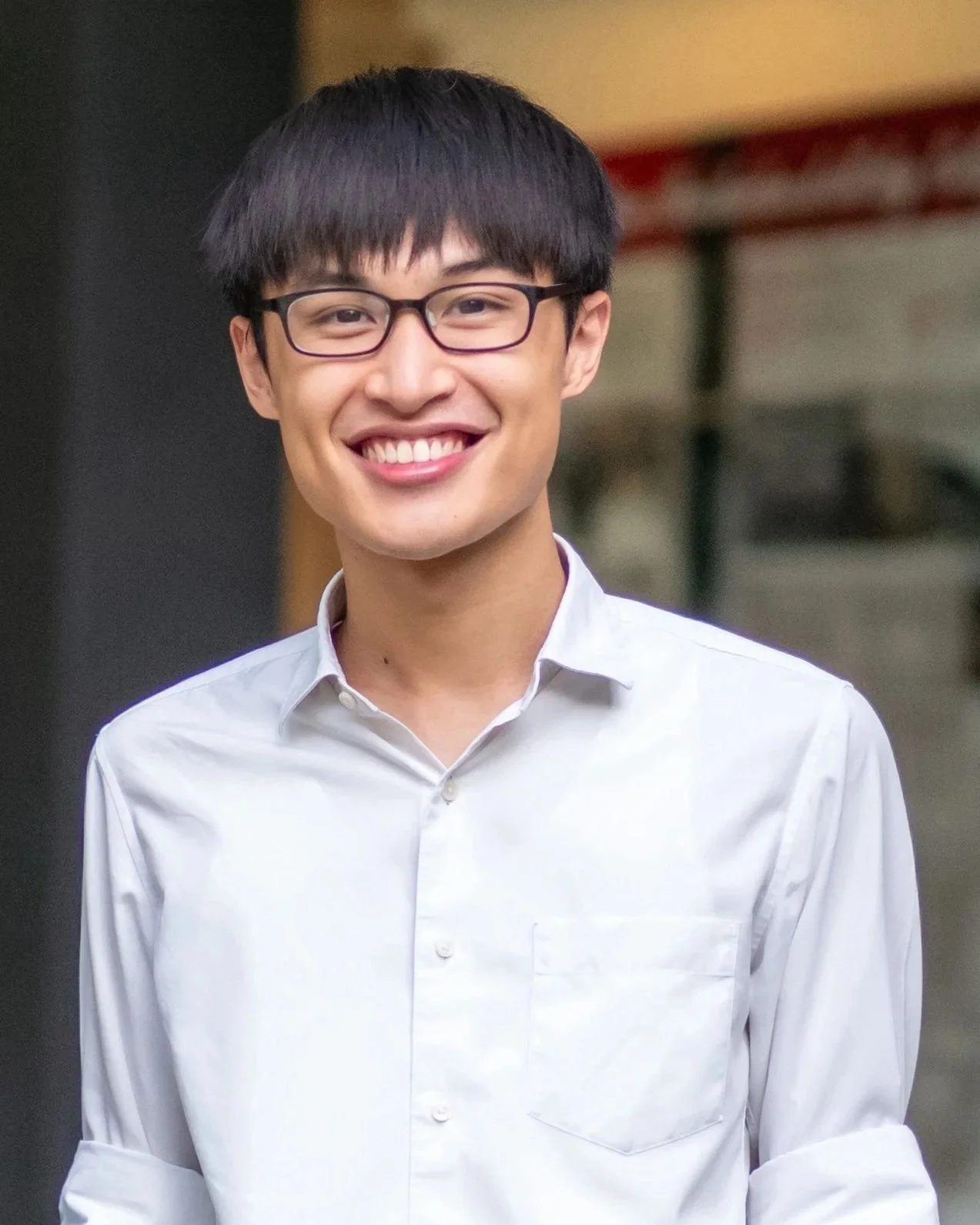
Enoch Yee-Lok Wan
Full-time Research Assistant
MA in Linguistics
University College London
BA in Chinese
Lingnan University
A question has always lingered in my mind: how can we communicate effectively when our understanding of words is shaped by individual experience? This curiosity inspired me to move beyond literary studies and explore psychology and neuroscience. I hope to understand how the mind represents and processes language. Why are some words more memorable than others, and what mechanisms allow us to appreciate figurative language? My linguistics training is the cornerstone of my work, but I still have much to learn, and I am eager to begin this journey.
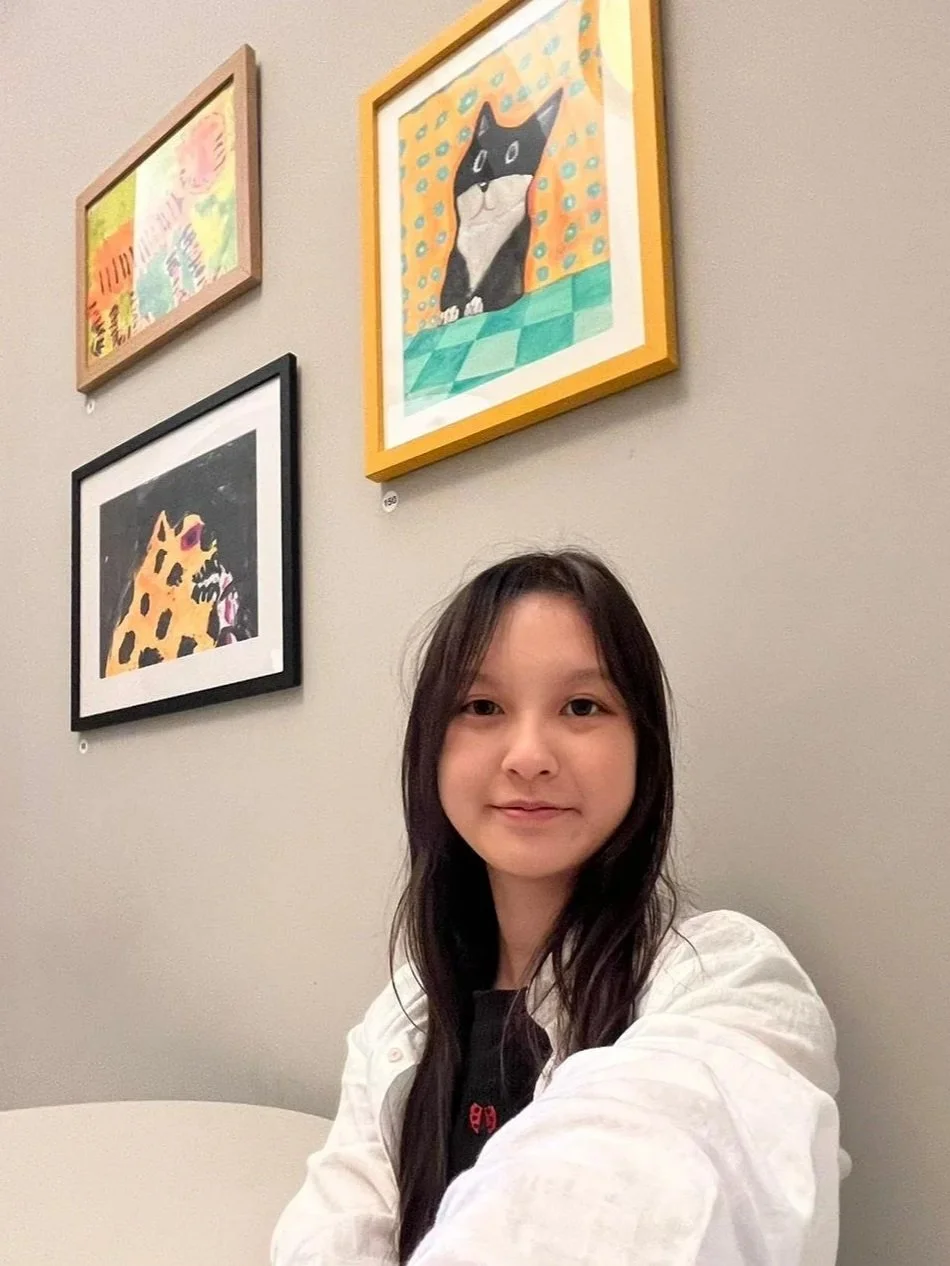
Cloris Pui-Hang LI
Part-time Research Assistant
BA in Linguistics and Translation Studies, Minor in Spanish
The Hong Kong Polytechnic University
Hola, soy Cloris. My primary research interests lie in language variation and multilingualism. Estudio Español porque me gusta la comida española y quería entender todo en el menú. During my undergraduate studies, I explored topics on Hong Kong Sign Language in local legal setting and modern Chinese discourse analysis. The papers, which I first-authored, were presented in two international conferences.
I have joined Dr. Fong’s team since my third year of undergraduate studies and have continued to work as a research assistant at the team since graduation. In the team, I am mainly responsible for designing and implementing behavioural studies, and performing data preprocessing and analysis.
When I’m not doing linguistics, you can likely find me working on jigsaw puzzles, listening to music, or working on more jigsaw puzzles.